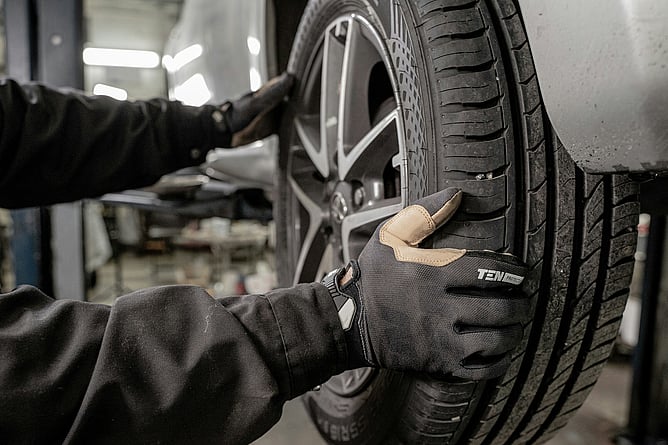
Your tyres are one of the most important safety components on your vehicle. They are the only point of contact between your vehicle and the road, affecting braking, handling, fuel efficiency, and overall safety. Yet many drivers don't think about their tyres until they become a problem.
Knowing when to replace your tyres can help you maintain optimum performance, improve safety, and avoid costly repairs down the road.
Check Your Tread Depth
One of the easiest ways to determine whether your tyres need replacing is by checking the tread depth.
In New Zealand, the legal minimum tread depth is 1.5mm across at least 75% of the tyre's tread pattern around the entire circumference. However, many tyre experts recommend replacing tyres before they reach the legal limit, particularly if you regularly drive in wet conditions.
As tread wears down, your tyres become less effective at:
Dispersing water
Maintaining grip on wet roads
Reducing stopping distances
Preventing aquaplaning
For optimal safety, consider replacing your tyres when the tread depth reaches around 3mm, especially during winter or in areas that experience frequent rainfall.
Look for Uneven Wear
Tyres don't always wear evenly. Uneven tread wear can indicate underlying issues that may need attention.
Common signs include:
Excessive wear on one edge
Wear in the centre of the tyre
Patchy or scalloped tread patterns
Different wear rates between tyres
Uneven wear is often caused by:
Incorrect tyre pressure
Wheel alignment issues
Suspension problems
Lack of tyre rotation
If you notice uneven wear, it's worth having your vehicle inspected before fitting new tyres to prevent the same issue from occurring again.
Watch for Cracks and Damage
Tyres are exposed to sunlight, road debris, temperature fluctuations, and everyday wear and tear. Over time, these factors can cause visible damage.
Warning signs include:
Sidewall cracking
Cuts or splits
Bulges or bubbles
Exposed cords
Impact damage from kerbs or potholes
A bulge in the sidewall is particularly serious, as it can indicate internal damage and increase the risk of sudden tyre failure.
If you notice significant damage, replacement should be considered immediately.
Consider the Age of Your Tyres
Even if your tyres appear to have plenty of tread remaining, age can affect their performance.
Over time, the rubber compounds in tyres naturally deteriorate, becoming harder and less effective at gripping the road.
As a general guide, tyres that are more than six years old should be inspected regularly by a tyre professional, while tyres approaching ten years old should typically be replaced regardless of tread depth.
You can find the tyre's manufacturing date on the sidewall using the DOT code. The final four digits indicate the week and year the tyre was produced.
For example:
2423 = Week 24 of 2023
Pay Attention to Vehicle Performance
Sometimes your vehicle will tell you that your tyres need attention before obvious visual signs appear.
Common indicators include:
Increased road noise
Reduced grip in wet conditions
Vibration while driving
Longer braking distances
Poor handling or cornering performance
If your vehicle no longer feels as confident or stable as it once did, worn tyres could be a contributing factor.
New Zealand Roads Can Accelerate Tyre Wear
New Zealand roads can be particularly demanding on tyres. Coarse-chip road surfaces, rural gravel roads, potholes, and varying weather conditions all contribute to tyre wear.
Drivers who frequently travel long distances, tow trailers, carry heavy loads, or drive on rural roads may find their tyres wear more quickly than expected.
Regular tyre inspections can help identify problems early and maximise tyre life.
Tips to Extend Tyre Life
While all tyres eventually require replacement, proper maintenance can help you get the most out of them.
To maximise tyre lifespan:
Check tyre pressures monthly
Rotate tyres at recommended intervals
Maintain correct wheel alignment
Avoid excessive speeding and harsh braking
Have tyres inspected during regular vehicle servicing
Consistent maintenance can improve safety, fuel efficiency, and tyre longevity.
Don't Wait Until It's Too Late
Replacing your tyres at the right time isn't just about complying with legal requirements. It's about ensuring your vehicle remains safe, reliable, and capable in all conditions.
Regular tyre inspections can help identify wear and damage before they become serious safety concerns. If you're unsure whether your tyres need replacing, a professional tyre inspection can provide peace of mind and help you make an informed decision.
Need New Tyres?
The team at GT Radial can help you find the right tyres for your vehicle, driving style, and budget. Whether you're commuting, travelling long distances, or tackling New Zealand's diverse road conditions, we have a tyre solution to suit your needs.
Contact your local GT Radial dealer today for a tyre inspection or expert advice on selecting your next set of tyres.